What to Expect During Your First Manufacturing Discovery Call
This article outlines how first manufacturing discovery calls are typically structured and what they are designed to accomplish. It is written for brands that are actively evaluating private label or custom manufacturing partners and need clarity on how these conversations function in practice. The content focuses on operational alignment, formulation discussion, and early risk identification rather than sales positioning. It serves as a practical reference for teams preparing to validate manufacturing fit.
Share this post
Brands that reach the discovery call stage are no longer gathering general information. At this point, teams are validating fit, identifying risks, and determining whether a manufacturing partner can support both immediate needs and longer term product strategy. The first discovery call functions less as an introduction and more as a working evaluation of alignment.
Understanding how these calls are typically structured helps internal teams prepare the right information, ask the right questions, and assess the conversation beyond surface level rapport.
How discovery calls typically differ from early conversations
Unlike initial outreach or sales qualification calls, a manufacturing discovery call assumes a baseline level of seriousness on both sides. The brand is actively evaluating partners, and the manufacturer is assessing feasibility, scope, and operational fit.
The conversation is usually framed around clarification rather than persuasion. Details matter more than positioning, and both parties are listening for signals that indicate whether further engagement is worth the time investment.
Information manufacturers usually seek early in the call
Early portions of the call focus on establishing technical and operational context. This allows the manufacturer to quickly determine whether the opportunity aligns with their capabilities.
Common areas of discussion include product format, intended application, target use environment, and anticipated production volumes. Brands are often asked to clarify whether they are pursuing private label options, custom formulation, or a hybrid approach. Packaging assumptions and regulatory considerations may also surface at this stage.
These questions are not meant to advance the sale. They are designed to prevent misalignment later in the process.
How formulation and customization are typically discussed
Once baseline fit is established, the conversation often moves into formulation depth. This is where differences between manufacturers become more apparent.
Discussions may include ingredient sourcing philosophy, flexibility around adjustments, internal R and D involvement, and how revisions are managed during development. Brands evaluating custom work should pay attention to how clearly the manufacturer explains tradeoffs, limitations, and dependencies rather than focusing only on what is possible.
Clarity at this stage often signals how collaborative the working relationship will be over time.
Operational topics that influence partnership decisions
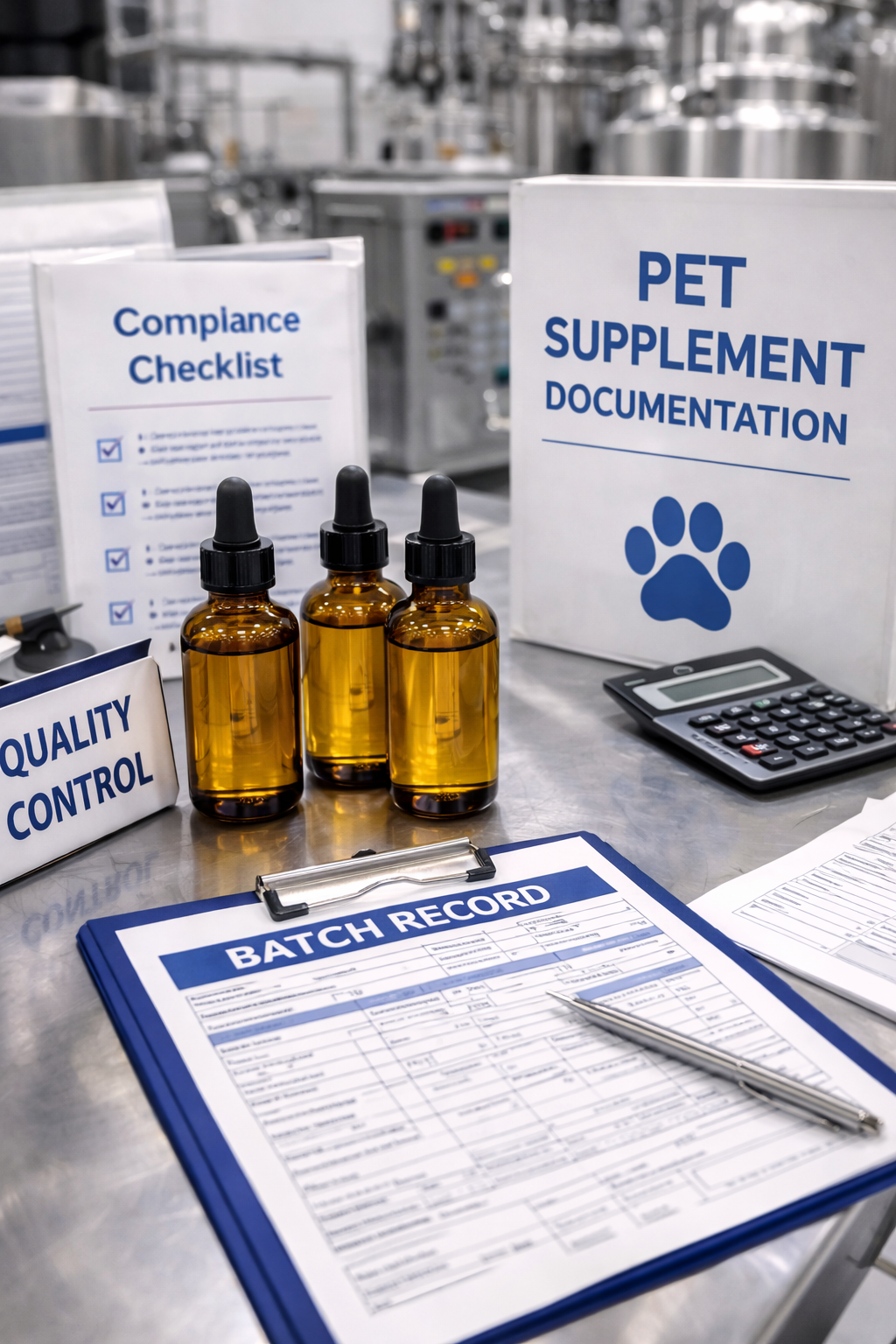
Operational considerations are a critical part of the discovery call, even if they are not framed as such. Topics like minimum order quantities, batch scaling, documentation practices, and quality systems tend to surface naturally during the discussion.
Manufacturers may also outline internal review steps, timelines between milestones, and how communication is handled once a project moves forward. These details help brands assess predictability and internal process maturity.
The goal is not speed alone, but confidence that expectations are clearly defined and repeatable.
Common misalignment points revealed during first calls
Discovery calls frequently surface misalignment that was not obvious earlier. This may include differences in acceptable formats, assumptions around customization scope, or internal resource availability.
In some cases, the call reveals that a brand is earlier or later in development than initially expected. In others, it becomes clear that production economics or compliance requirements do not align with the proposed concept.
Identifying these issues early is a productive outcome, even if it means the partnership does not move forward.
What the call helps both sides determine
By the end of a first manufacturing discovery call, both parties should have enough information to decide on next steps. This may include sharing additional documentation, reviewing samples, or scheduling a deeper technical discussion.
Equally important, the call helps determine whether continued engagement makes sense at all. A strong discovery call reduces uncertainty, sets realistic expectations, and establishes whether the working relationship has the foundation needed for development and production.
Share this post
Latest posts
Expert insights on private label and custom manufacturing for brands planning their next product launch or scale up.